A Trustworthy PCB and Electronic Manufacturing Enterprise! Contact Us



Flexible packaging innovation hinges heavily on the right Film Substrate. Every pouch, laminate and vacuum‑packed product relies on substrate films to deliver barrier performance, mechanical strength and processing compatibility. Selecting improper film substrate directly leads to short shelf‑life, poor print fidelity, seal failure or excessive material cost. For packaging engineers and procurement specialists, understanding mainstream film substrate categories, core characteristics and practical application trade‑offs is critical for designing cost‑effective, high‑performance laminated packaging solutions. This article breaks down common film substrate families, compares their pros and cons, and shares actionable guidance for your next packaging material selection.
What Is Film Substrate in Flexible Lamination?
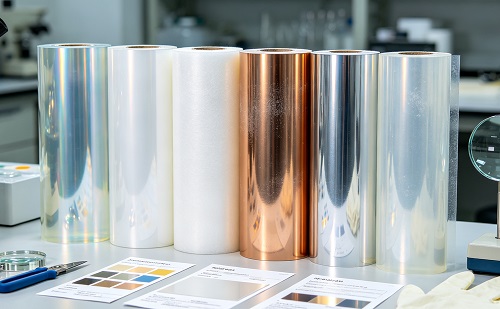
A Film Substrate is the base thin‑film material that forms one or more layers within multi‑layer flexible packaging structures. It serves as the foundational carrier for printing, coating, metalizing and lamination. Different polymer and specialty substrates bring distinct barrier, thermal, chemical and mechanical properties. Manufacturers combine multiple film substrate variants to offset individual material weaknesses and achieve target packaging requirements: oxygen barrier, moisture resistance, heat‑sealability, cold‑resistance, oil resistance or high tensile strength.
Not all film substrate performs equally. Polyolefin, polyester, polyamide, vinyl‑based polymers, barrier specialty films and metal‑deposited foils each occupy unique niches in food, pharmaceutical, medical and industrial packaging. Below we walk through each major material category, starting with polyolefin materials widely used across global converting factories.
Polyethylene (PE): Cost‑Effective Polyolefin Film Substrate
Polyethylene, abbreviated PE, is among the most widely consumed polymer film substrate in flexible converting. Its main grades include LDPE (Low‑Density Polyethylene), MDPE (Medium‑Density Polyethylene), HDPE (High‑Density Polyethylene), and CLPE (Cross‑linked Polyethylene).
PE shines with excellent water resistance, good moisture barrier, fair chemical resistance, softness and outstanding heat‑sealing behavior. Raw material and converting costs stay competitive, which explains its massive adoption for heat‑seal layers in composite bags. Still, PE has clear limitations. Its gas‑blocking performance is mediocre. It cannot deliver high oxygen barrier alone for long‑shelf‑life food. Different PE grades create visible performance gaps. LDPE offers superior flexibility and hot‑tack sealing; HDPE brings higher stiffness and better oil resistance. CLPE, cross‑linked polyethylene, improves heat resistance and puncture tolerance for high‑temperature processing scenarios.
In real‑world lamination workflows, PE seldom works as a standalone packaging film. It commonly acts as the inner heat‑seal layer, bonded with PET, BOPP or nylon to compensate for its low rigidity and poor oxygen barrier. If your project prioritizes low cost and reliable heat‑seal performance while high oxygen barrier is not mandatory, PE‑based film substrate is a solid candidate.
Polypropylene (PP): Balanced‑Performance Oriented Film Substrate
Polypropylene (PP) splits into CPP (Cast Polypropylene) and BOPP (Biaxially Oriented Polypropylene). Cast CPP is frequently deployed as heat‑sealable inner layers. BOPP, biax‑oriented polypropylene, delivers gloss, transparency and print‑friendly surface as outer printing substrate.
PP delivers nice gloss, high transparency, decent moisture barrier, great sanitation, oil resistance, chemical stability and thermal sealing capacity. Its major downsides are poor cold‑temperature tolerance and static‑building tendency. Under low‑temperature conditions, PP films tend to turn brittle and crack. Converters must add anti‑static additives for high‑speed printing and converting.
BOPP is ubiquitous for snack packaging outer printing layers. CPP serves as sealable inner layers for retort‑capable or general‑purpose composite pouches. When specifying PP film substrate, end‑use temperature environment must be evaluated. Frozen‑product packaging should avoid pure PP structures without blending or layering with low‑temperature‑resistant materials such as nylon or EVA.
Polyester (PET): High‑Strength Engineering‑Grade Film Substrate
Polyethylene Terephthalate (PET) is biaxially oriented polyester film. It features prominent mechanical strength, great temperature tolerance, good transparency, decent moisture‑blocking and oil‑resistant traits. PET brings stable performance for printing, coating and vacuum metallization.
The main weakness of PET is vulnerability to strong acid and strong alkali corrosion. Harsh chemical environments will degrade its surface and break down film integrity. PET itself is not heat‑sealable, so it always requires lamination with heat‑seal polymers like PE or CPP.
In practical packaging structures, PET is often the outer printing substrate. Metallized PET, produced by aluminum vacuum deposition, upgrades its gas and moisture barrier for food‑preservation applications. For high‑strength, high‑gloss printing faces, PET film substrate remains the preferred choice for many packaging designers.
Nylon (Polyamide): Puncture‑Resistant Film Substrate
Nylon film has two primary commercial forms: cast non‑oriented CPA and biaxially oriented BOPA / OPA. Nylon stands out for strong puncture resistance, outstanding low‑temperature performance, chemical resistance and oil‑repellent properties. It processes smoothly in film‑forming and printing operations.
Nylon’s Achilles heel lies in moisture sensitivity. Water vapor will reduce its oxygen‑barrier capability. In high‑humidity surroundings, standalone nylon cannot sustain high gas‑barrier values. Hence, nylon is almost always used in multi‑layer composite stacks. It is widely selected for heavy‑duty packaging: frozen food, meat products, sharp‑content pouches where anti‑puncture is non‑negotiable.
When you need to boost pouch toughness and anti‑piercing capability, adding nylon into your film substrate stack makes perfect sense. Remember to pair it with high‑moisture‑barrier layers to shield nylon from ambient humidity.
PVDC, PVC: Vinyl‑Based Barrier‑Type Film Substrate
Polyvinylidene Chloride (PVDC) is well‑known for comprehensive barrier capability. It blocks oxygen, moisture vapor, acids, alkali and multiple organic solvents. It retains transparency and printability, and delivers acceptable water resistance. PVDC is either used as coating or stand‑alone film for high‑barrier packaging. Its main drawbacks are related to processing and environmental considerations during disposal.
Polyvinyl Chloride (PVC) features low oxygen and water vapor transmission rates, good colorability, thermal stability, printability and rigidity, plus fair chemical resistance. PVC is less common in direct‑food‑contact flexible packaging today due to regulatory constraints, but it still finds niche industrial‑packaging uses.
Designers must carefully check local food‑contact compliance standards when evaluating vinyl‑class film substrate. Many regions impose strict rules for food‑contact scenarios.
EVA / EVAL: Thermoplastic Barrier‑Enhanced Film Substrate
Ethylene‑Vinyl Acetate copolymer (EVA) and its hydrolyzed derivative EVAL deliver excellent transparency, anti‑puncture performance, cold‑resistance, flexibility and impact‑resistance. Most notably, they offer easy heat‑sealing performance. EVAL, the hydrolyzed variant, provides superior oxygen‑barrier performance compared to standard EVA.
EVA‑series materials perform well for low‑temperature packaging applications. They are frequently blended or laminated with other polymers to improve low‑temperature toughness and seal performance. If you are developing frozen‑goods packaging that demands flexible, crack‑resistant seals under frigid conditions, EVA/EVAL film substrate deserves thorough evaluation.
PVA (Polyvinyl Alcohol): High‑Barrier Water‑Sensitive Film Substrate
Polyvinyl Alcohol (PVA) provides extraordinary gas‑barrier performance. It is split into water‑soluble grade and water‑resistant grade. The oxygen‑blocking ability of PVA drops sharply under high‑humidity conditions. Water‑soluble PVA dissolves in water completely, which enables special‑purpose soluble‑packaging scenarios. Water‑resistant modified‑PVA maintains barrier after humidity‑resistant treatment.
PVA is often applied as coating material rather than thick standalone film. It is frequently coated onto PET or BOPP to upgrade composite‑film oxygen barrier. If your target is ultra‑low oxygen transmission under low‑humidity environments, PVA‑coated film substrate is a competitive solution. You must account for ambient‑humidity influence in your end‑use environment.
Cellophane (PT): Traditional Regenerated‑Cellulose Film Substrate
Cellophane (PT, also named cellophane) has two main types: moisture‑proof‑treated and non‑moisture‑proof grades. It brings transparency, gas‑barrier capacity, oil resistance, heat‑resistance, sanitation and heat‑seal properties. Its signature trait is easy‑tear performance. Many consumer‑goods packages choose cellophane for clean, predictable opening behavior.
Downsides include poor moisture‑barrier for non‑modified variants. Its physical properties are heavily affected by ambient humidity. Cellophane still occupies market share for candy, baked‑goods and gift‑wrapping packaging where easy‑tear is a selling point.
Aluminum Foil & Metallized Films: Metal‑Layer Enhanced Film Substrate
Aluminum foil and vacuum‑metallized films belong to metal‑containing substrate categories. Aluminum foil delivers supreme barrier performance: it blocks gas, moisture, light, and heat. Yet aluminum foil is fragile. Mechanical creases easily generate pinholes, which ruin barrier performance. Metallized films (aluminum‑deposited onto PET or BOPP) reduce pinhole risks compared to pure aluminum foil while retaining most barrier advantages. Metallized materials are lighter and fold‑tolerant than thin aluminum foil.
Metal‑layer‑containing film substrate is essential for light‑sensitive, long‑shelf‑life food and pharmaceutical packaging. During converting and bag‑making, avoid excessive stretching or sharp folding to prevent pinhole defects.
SiO_x Coated Films: High‑Performance Transparent Barrier Film Substrate
Silicon‑oxide coated films (SiO_x) are produced by depositing ~0.1μm silicon‑oxide onto PET or BOPP base films. This transparent barrier substrate delivers good barrier property, high transparency and heat‑resistance. One practical merit is microwave‑compatibility, which aluminum foil cannot offer. The primary disadvantage is higher material cost.
SiO_x coated film substrate fits microwave‑ready food packaging where both high barrier and microwave transmissibility are required. It is a premium‑grade choice for high‑end food retort packaging.
Practical Guidance for Film Substrate Selection
After reviewing the full spectrum of film substrate options, packaging engineers need systematic thinking before finalizing material stacks. Below are core practical dimensions for your decision‑making workflow.
First, define your core functional requirements. List out target barrier indices: oxygen transmission rate (OTR), water vapor transmission rate (WVTR). Clarify operating‑temperature range: frozen, normal ambient, boiling‑retort or high‑temperature cooking. Confirm mechanical requirements: puncture resistance, drop‑test performance, flexibility. Specify processing requirements: printing method, lamination process, heat‑seal demand. Do not overlook regulatory compliance: food‑contact certification, local‑region material‑safety standards.
Second, balance performance versus cost. High‑end barrier substrates like SiO_x coated film bring premium performance but push up total‑material expense. Many projects can reach specifications by combining economical multi‑layer common‑polymer structures instead of adopting expensive single‑high‑barrier‑grade film substrate.
Third, anticipate real‑world environmental influences. Humidity can degrade barrier performance of nylon, PVA and PVDC. Low‑temperature environments will embrittle PP. When high‑humidity or low‑temperature conditions exist in storage, transportation or end‑usage, you must compensate by stacking complementary film substrate layers.
Fourth, account for downstream converting compatibility. Some substrates have surface‑tension constraints for printing and lamination. Certain barrier coatings require special adhesive selection. Early‑stage material‑sample testing is strongly recommended before mass‑production. Small‑scale prototype lamination, seal‑testing, barrier‑value testing and simulated‑aging tests help you avoid mass‑production failures.
Common Pitfalls in Film‑Substrate‑Driven Packaging Design
Many packaging‑project failures trace back to misunderstanding substrate‑material characteristics. One frequent mistake is over‑relying on single‑substrate performance data sheets. Most laboratory‑measured barrier parameters are tested under standard‑climate lab conditions. Real‑world high‑humidity or low‑temperature conditions will shift actual performance. For example, nylon’s oxygen‑barrier value drops significantly under high‑moisture conditions. If you directly apply lab‑data‑sheet values without considering humidity‑influence, your finished pouch may fail shelf‑life validation.
Another typical error is ignoring heat‑seal‑layer matching. Some high‑barrier base‑film substrate cannot be heat‑sealed. Engineers must allocate dedicated heat‑seal layers such as PE or CPP. If you mistakenly select non‑heat‑sealable substrate as inner‑layer material, you will face sealing‑defect mass‑rejection.
Third, underestimating mechanical‑damage risks. Sharp‑content goods need puncture‑resistant substrate such as nylon. Pure‑PP or PE structures will easily develop pinholes, leading to content leakage and shelf‑life shortening.
Last, insufficient attention to regulatory compliance. Some vinyl‑based materials face strict‑usage‑limitation for food‑contact applications in different regions. Before large‑order placement, confirm material compliance certificates for your target sales markets.
Future Trends of Film Substrate for Flexible Packaging
The global flexible‑packaging industry pushes continuously toward circular‑economy targets. The evolution of film substrate follows three major directions: high‑barrier lightweighting, recyclable‑monomaterial structures, and bio‑based substrate development.
Light‑weight high‑barrier coated‑film substrate reduces total‑material‑thickness while preserving barrier performance, lowering raw‑material consumption. Monomaterial‑lamination solutions replace multi‑different‑polymer composite structures, simplifying recycling procedures. Bio‑polymers‑based substrate gradually mature, though cost‑and‑performance gaps versus conventional petroleum‑based polymers still exist.
Meanwhile, functional‑coating‑technology advances improve barrier properties of conventional‑polymer substrates. Advanced coating reduces dependence on expensive specialty‑polymer raw‑materials. For packaging material developers, staying updated on new‑generation film substrate technology will maintain product competitiveness in the evolving market.
Closing Thoughts
Film substrate is the foundation of flexible composite packaging. PE, PP, PET, nylon, PVDC, EVA/EVAL, PVA, cellophane, aluminum‑containing substrate and SiO_x coated substrate each carry unique strengths and inherent weaknesses. There exists no universal “best” substrate; only the most suitable choice matching your specific product‑packaging requirements.
When you start your next packaging‑material‑development task, systematically sort out barrier‑index requirements, temperature‑environment conditions, mechanical‑property targets, converting‑process constraints and compliance rules. Compare candidate film substrate materials, carry out sample verification, and balance performance‑cost trade‑offs. This systematic approach will help you arrive at stable, economical and practical multi‑layer‑lamination solutions.
If you face complex‑structure development or substrate‑material‑comparison challenges, working with professional‑film‑material suppliers and packaging‑lab‑testing institutions can effectively shorten your R&D cycle and reduce trial‑and‑error costs.