A Trustworthy PCB and Electronic Manufacturing Enterprise! Contact Us


"PCB" and "circuit board" get used interchangeably all the time, and in most day-to-day conversations, they're describing the same object — a base platform for mounting and connecting electronic components. But the PCB vs circuit board distinction isn't just semantics; each term carries a slightly different scope and technical emphasis, and understanding that difference matters once you're deep in design, manufacturing, or procurement conversations.
Circuit Board: The Broad, General Term
Before getting into the PCB vs circuit board comparison in detail, it helps to start with the broader term."Circuit board" is the umbrella term — it covers any base platform that carries electronic components and connects them via conductive pathways to form a complete circuit, regardless of manufacturing method. That includes early hand-wired or riveted boards, flexible circuit boards (FPC), even a breadboard used for temporary prototyping — and, of course, the modern printed circuit board. The emphasis here is functional: a circuit board is defined by what it does (serve as the platform for a circuit), not by how it's made.
PCB: The Specific, Technical Term
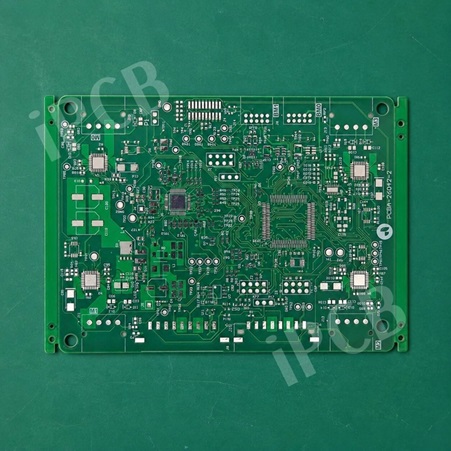
"PCB" stands for Printed Circuit Board, and it refers to something much more specific: a board manufactured using a printing/etching process that precisely defines conductive copper traces on an insulating substrate — typically an epoxy-glass laminate such as FR-4. This is, by a wide margin, the dominant manufacturing method used today, which is a big part of why the terms get conflated so often. The emphasis with "PCB" is on the manufacturing technology itself — the print/etch process — rather than the board's general function.
Within that definition, there's a further distinction worth knowing:
1. Bare board: a board that has completed etching, drilling, and surface finishing, but has no components mounted yet. This is a PCB in its strictest, most technical sense.
2. Assembled board: in casual usage, people often still call a board "the PCB" even after components have been soldered onto it — though strictly speaking, that finished, populated board should be called a PCBA (Printed Circuit Board Assembly).
PCB vs PCBA: Where the Real Ambiguity Lives
This is where most of the confusion actually shows up in professional settings. In casual conversation, "PCB" is basically shorthand for "circuit board" — nobody blinks if you use them interchangeably. But in engineering, design, and manufacturing contexts, the distinction is drawn more sharply: PCB refers to the design files and the bare, unpopulated board coming out of fabrication, while PCBA refers to the finished assembly with all components mounted and soldered. When someone says "circuit board" in that context, you often have to rely on the surrounding conversation to know whether they mean the bare PCB or the completed PCBA.
The Relationship in Simple Terms
Think of it as a set relationship: every PCB is a circuit board, but not every circuit board is a PCB. "Circuit board" is the parent category — a functional carrier for a circuit, built by any method. "PCB" is the largest, most specific subset within it — a circuit board built specifically through the print/etch manufacturing process, whether it's still bare or already populated with components.
Conclusion
So when should you use which term? Say "circuit board" when you're speaking generally about any platform that carries and connects electronic components. Say "PCB" when you specifically mean a board manufactured through the print/etch process — by far the most common type in modern electronics. In everyday usage, the two are close enough to be treated as synonyms; but in a professional design or manufacturing context, remembering the PCB vs circuit board distinction — and knowing when "PCB" really means the bare board rather than the finished PCBA — will save you from a lot of avoidable back-and-forth with suppliers and engineering teams.