A Trustworthy PCB and Electronic Manufacturing Enterprise! Contact Us


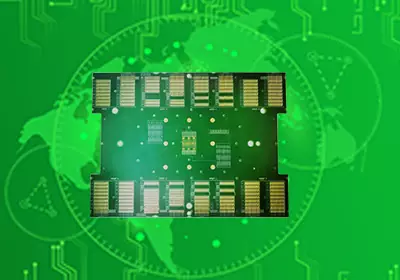
The core material of a fiberglass PCB board is a glass fiber reinforced resin substrate, which is composed of glass fiber cloth and epoxy resin. The glass fiber cloth acts like steel rebar to provide strength, while the epoxy resin fills the gaps like concrete. Combined, they form a composite material that is both rigid and insulating.
Simply put, glass fiber is a fiber drawn from special glass. It is lightweight, has high strength, and its density is much lower than steel, but its tensile strength is very high. It also offers excellent properties such as corrosion resistance, high-temperature resistance, and good insulation. Glass fiber is widely used—in traditional industries like automobiles, high-speed rail, and wind turbine blades, and in emerging industries, its most popular application is the fiberglass PCB board.
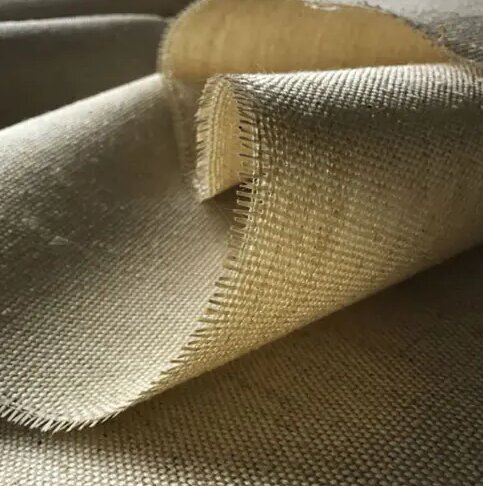
fiberglass
Why not use real glass?
Performance comparison makes it clear. What problems would arise if we used real glass to make PCBs? First, the brittleness of glass would make processing extremely difficult—it would easily crack when drilled and break directly when bent. Second, glass has poor thermal conductivity, so heat generated by electronic components cannot be dissipated in time. Most critically, copper cannot be deposited directly onto the glass surface; complex chemical treatments are required to achieve circuit connections. In contrast, glass fiber reinforced resin substrates achieve an ideal balance between strength, insulation, and processability—which is exactly why they have become the mainstream material for PCBs.
The role of glass fiber in PCB substrates
The core feature of a fiberglass PCB board lies in its base material. The substrate is the insulating base layer that gives the PCB its physical form and supports the copper circuits laid on top of it. Glass fiber is usually woven into a fabric, impregnated with epoxy resin, and then cured to form a sturdy, heat-resistant circuit board.
The most commonly used standard material for fiberglass PCB boards is FR4, a glass fiber reinforced epoxy resin laminate. "FR" stands for "flame retardant," and FR4 is widely praised for its stable mechanical and electrical properties. The glass fiber cloth used in FR4 is typically E-glass, known for its good dimensional stability and high tensile strength.
From a materials science perspective, glass fiber plays three key roles in PCB construction:
Mechanical strength – Glass fiber provides rigidity and mechanical durability. Even under high temperatures or high vibration, it prevents warping and delamination.
Thermal stability – Glass fiber has a relatively high glass transition temperature (Tg), enabling the PCB to withstand soldering processes and operational heat without deformation.
Dielectric properties – The epoxy resin-glass fiber matrix provides insulation, ensuring that electrical signals in adjacent traces do not interfere with each other.
These characteristics have made fiberglass PCB boards the de facto standard for decades.
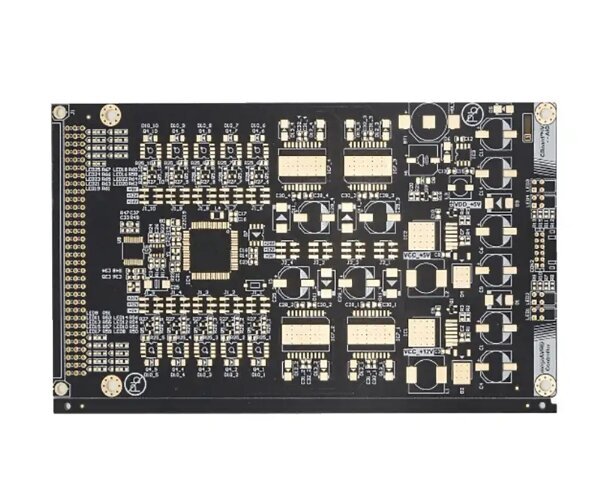
fiberglass pcb board
What are the applications of fiberglass PCB boards?
Many industries rely on fiberglass PCB boards because they are extremely durable and highly reliable. They remain stable under pressure, which makes them important for many technical applications. To see their value, it is essential to know how and when to use them. Here is how they are applied in different fields.
Aerospace and Defense
Fiberglass PCB boards are essential components in the aerospace and defense sectors. They can withstand harsh environments such as high altitude, impact, chemical toxicity, and radiation toxicity. In these environments, reliability is critical to mission success. These components can maintain stable operation in demanding conditions. You can rely on them to ensure the safety of critical operations.
Consumer Electronics
Your everyday items are made with fiberglass PCB boards. Smartphones, tablets, and home appliances all run on them. They are compact, lightweight, and allow for sleek designs. As a result, your electronic devices operate efficiently day after day.
Medical Industry
Fiberglass PCB boards are widely used in medical equipment due to their good dimensional stability and low thermal conductivity. Such circuit boards are used in many medical devices, such as X-ray machines.
Automotive
Fiberglass PCB boards are widely used in the automotive field. They can withstand the high temperatures and vibration inside a vehicle while maintaining precise control systems. These circuit boards can carry advanced automotive technology and connectivity features, ensuring the vehicle runs smoothly and safely even in the event of a fault. These PCBs keep your vehicle compliant with modern technological standards.
Fiberglass PCB boards play an important role in the production of electronic devices. They are fully customizable and can be tailored to meet your requirements and needs. Their flexibility makes them functional in a wide variety of applications. Fiberglass PCB boards are the perfect choice for efficient, versatile circuit solutions.